If you have a basement, you've probably heard of a sump pump.
Many homeowners don't think much about it until they find water on the basement floor after a heavy rain.
A sump pump is one of the best tools for helping keep your basement dry. It removes water before it has a chance to flood your home.
But how does a sump pump work?
Do you really need one?
How long does it last?
And what happens if the power goes out during a storm?
In this guide, we'll answer the most common questions homeowners have about sump pumps in simple, easy-to-understand language. You'll learn how sump pumps work, how to maintain them, when they need to be replaced, and how to choose the right system for your home.
Book A Free Inspection
Or
📞 Call Now for a Free Assessment
What Is a Sump Pump?
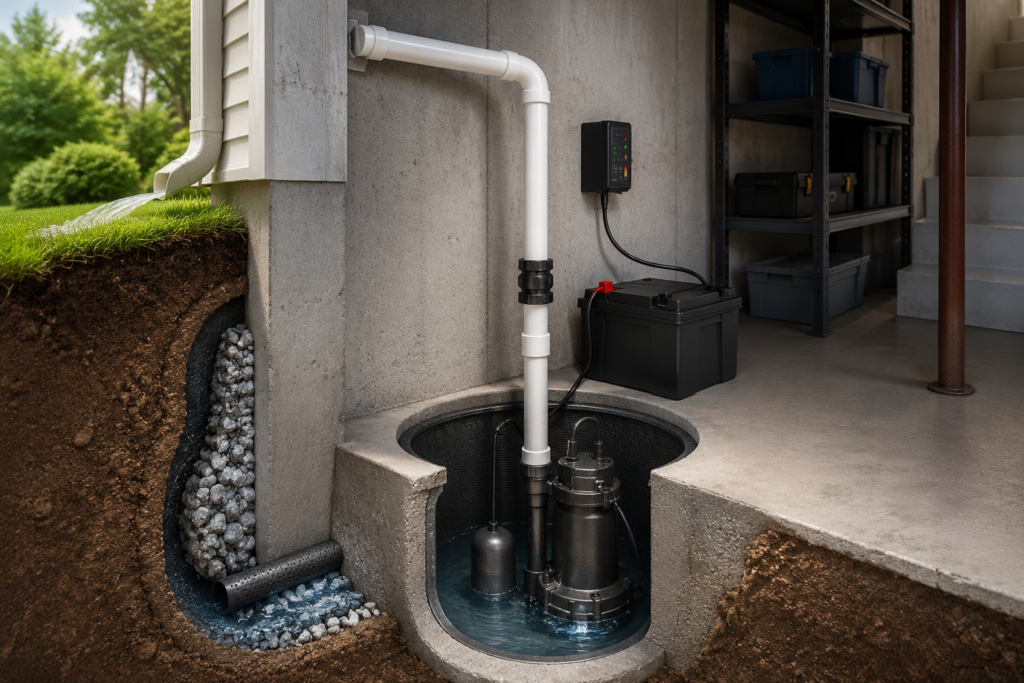
A sump pump is a machine that removes water from a pit, called a sump pit, located in the lowest part of your basement. When water collects in the pit, the pump automatically turns on and pumps the water outside, away from your home's foundation. Without a sump pump, water can build up and increase the risk of a wet basement or flooding. Read more: What Is a Sump Pump?How Does a Sump Pump Work?
Most sump pumps work automatically. As water fills the sump pit, a float rises. When the water reaches a certain level, the float tells the pump to turn on. The pump pushes the water through a discharge pipe and safely away from your home. When the water level drops, the pump shuts off until it's needed again. Read more: How Does a Sump Pump Work?Do I Need a Sump Pump?
Not every home has a sump pump. However, many homes benefit from having one, especially if:- Your basement has flooded before.
- Water enters after heavy rain.
- Your home has a high water table.
- Your basement is below ground level.
- You already have an interior drainage system.
Signs Your Sump Pump Needs Repair
Like any machine, a sump pump can wear out over time. Some warning signs include:- Strange noises
- Constant running
- The pump won't turn on
- The pump cycles on and off frequently
- Water stays in the sump pit
- Basement flooding
How Often Should a Sump Pump Be Replaced?
A sump pump doesn't last forever. Most pumps work reliably for many years, but eventually they wear out. Replacing an older pump before it fails can help avoid basement flooding during a major storm. Read more: How Often Should a Sump Pump Be Replaced?How Much Does Sump Pump Installation Cost?
One of the first questions homeowners ask is how much a sump pump costs to install. The answer depends on several factors, including:- The type of sump pump
- Whether a sump pit already exists
- The amount of plumbing work needed
- Whether a battery backup system is installed
What Is a Battery Backup Sump Pump?
Storms often cause power outages. Unfortunately, that's also when your sump pump is needed the most. A battery backup sump pump continues working even if your home's electricity goes out. It provides extra protection during heavy rain and severe weather. Read more: What Is a Battery Backup Sump Pump?How Do You Test a Sump Pump?
Testing your sump pump is simple and only takes a few minutes. Regular testing helps you know the pump is working before the next heavy rain. Many homeowners test their sump pump a few times each year. Read more: How Do You Test a Sump Pump?Can I Install a Sump Pump Myself?
Some experienced homeowners choose to install their own sump pump. However, installation often requires digging a sump pit, plumbing work, and making sure water drains safely away from the home. For many homeowners, professional installation provides peace of mind. Read more: Can I Install a Sump Pump Myself?Who Should I Call for Sump Pump Installation?
If you need a new sump pump or your current one isn't working properly, the best person to call is a basement waterproofing or sump pump specialist. An experienced contractor can recommend the right pump, install it correctly, and make sure your basement stays protected. Getting two or three estimates is always a good idea. Read more: Who Should I Call for Sump Pump Installation?How Can You Help Your Sump Pump Last Longer?
Regular maintenance can help your sump pump work when you need it most. Simple maintenance includes:- Test the pump several times a year.
- Keep the sump pit clean.
- Make sure the discharge pipe is clear.
- Check the float moves freely.
- Inspect the battery backup system, if you have one.
- Schedule an inspection if the pump is making unusual noises.
Frequently Asked Questions
Does every house need a sump pump?
No. Some homes never need one, while others depend on a sump pump to keep the basement dry. It depends on the home's location, drainage, and risk of water entering the basement.Can a sump pump prevent basement flooding?
In many cases, yes. A properly working sump pump removes water before it can build up and flood the basement.How do I know if my sump pump is working?
You can test it by pouring water into the sump pit. If the pump turns on, removes the water, and shuts off properly, it's likely working correctly.What happens if the power goes out?
A standard sump pump stops working when the electricity goes out. A battery backup sump pump can continue pumping water during a power outage.Should I replace my sump pump before it fails?
Many homeowners choose to replace an older sump pump before it stops working completely, especially if it's been in service for many years.Final Thoughts
A sump pump is one of the best ways to help protect your basement from water damage. By understanding how it works, testing it regularly, and replacing it when necessary, you can reduce the risk of basement flooding and costly repairs. If you'd like to learn more about any of the topics covered in this guide, follow the "Read more" links throughout the article for detailed homeowner-friendly explanations.Book A Free Inspection
Or