Have you noticed a musty smell in your home, damp floors, or moisture under your house? These could all be signs that your crawl space needs attention.
A crawl space may be out of sight, but it plays an important role in protecting your home's foundation, indoor air quality, and structural strength. When water or moisture enters a crawl space, it can lead to mold growth, wood rot, higher energy bills, and even foundation problems if left untreated.
The good news is that crawl space waterproofing can help keep your home dry, healthy, and protected for many years.
This guide explains everything homeowners need to know about crawl space waterproofing in simple, easy-to-understand language.
What Is Crawl Space Waterproofing?
Crawl space waterproofing is the process of keeping water and moisture out of the area beneath your home. Depending on your home's condition, waterproofing may include sealing the crawl space, improving drainage, installing a vapor barrier, adding a sump pump, or fixing foundation cracks. A dry crawl space helps protect your home's structure, improves indoor air quality, and reduces the risk of mold and wood damage. Read More: What Is Crawl Space Waterproofing?Book A Free Inspection
Or
📞 Call Now for a Free Assessment
Why Is My Crawl Space Wet?
There are many reasons why water can enter a crawl space. Rainwater may collect around your home's foundation, groundwater may seep through the soil, plumbing leaks can add moisture, or humid air can create condensation. Finding the source of the moisture is the first step toward choosing the right waterproofing solution. Read More: Why Is My Crawl Space Wet?Signs Your Crawl Space Has Moisture Problems
Many homeowners never enter their crawl space, so moisture problems often go unnoticed until they become serious. Some common warning signs include:- Musty smells inside the home
- Mold or mildew
- Standing water
- Damp insulation
- Rotting wood
- Sagging floors
- High humidity indoors
- Increased pest activity
Crawl Space Encapsulation Explained
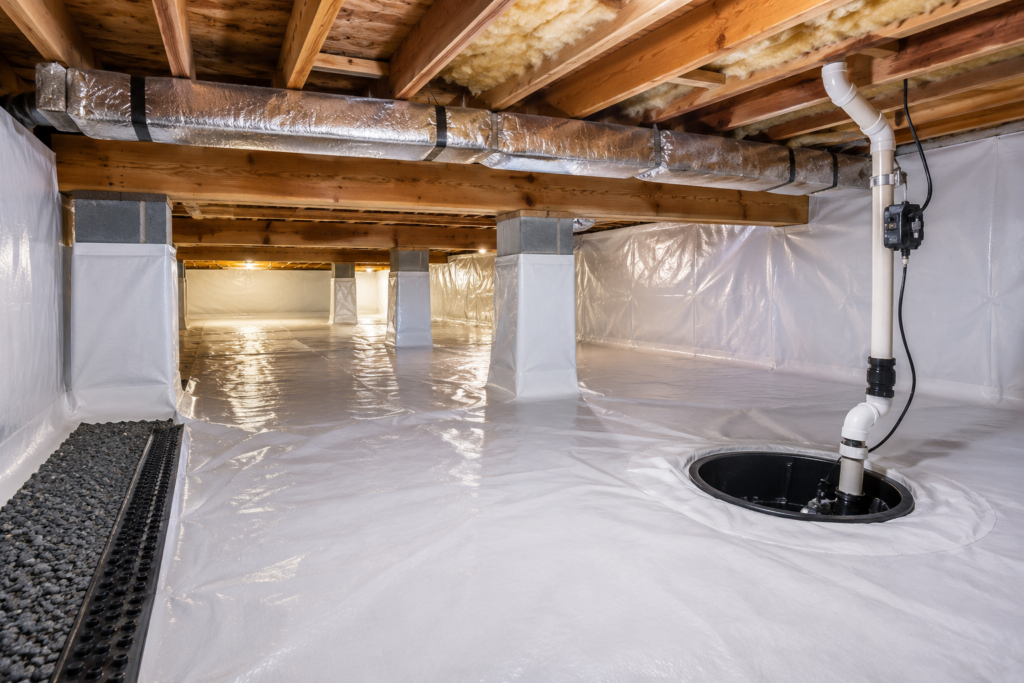
Encapsulation is one of the most effective ways to keep a crawl space dry. The process involves covering the floor and walls with a heavy-duty vapor barrier and sealing openings to reduce moisture. Some homes also require drainage systems, sump pumps, or dehumidifiers for complete protection. Not every crawl space needs full encapsulation, but many homeowners benefit from this long-term solution. Read More: Crawl Space Encapsulation ExplainedDoes Crawl Space Waterproofing Prevent Mold?
Moisture is one of the main reasons mold grows inside a crawl space. While waterproofing cannot remove mold that already exists, it helps eliminate the damp conditions that allow mold to continue growing. A dry crawl space also improves indoor air quality because air from the crawl space often moves into the living areas above. Keeping the crawl space dry is one of the best ways to reduce future mold problems. Read More: Does Crawl Space Waterproofing Prevent Mold?Can I Waterproof My Crawl Space Myself?
Some small jobs, such as cleaning gutters or sealing tiny gaps, can often be done by homeowners. However, larger waterproofing projects usually require professional equipment and experience. Installing drainage systems, encapsulation materials, sump pumps, or repairing foundation problems is often best left to trained waterproofing specialists. Choosing the right solution depends on the cause of the moisture problem. Read More: Can I Waterproof My Crawl Space Myself?How Much Does Crawl Space Waterproofing Cost?
The cost depends on several factors, including:- Size of the crawl space
- Amount of moisture
- Type of waterproofing needed
- Whether drainage improvements are required
- Whether encapsulation is recommended
Who Should I Call for Crawl Space Waterproofing?
If your crawl space has standing water, mold, damp insulation, or signs of moisture damage, it's best to contact an experienced crawl space waterproofing contractor. A qualified professional can inspect your crawl space, identify the source of the problem, and recommend the most effective solution to protect your home. Getting the problem fixed early can help prevent expensive repairs in the future. Read More: Who Should I Call for Crawl Space Waterproofing?Frequently Asked Questions
Is water in a crawl space normal?
A crawl space should remain dry. Standing water or excessive moisture usually indicates a drainage or waterproofing problem that should be addressed.Can a wet crawl space affect the rest of my home?
Yes. Moisture from the crawl space can lead to mold, unpleasant odors, poor indoor air quality, wood rot, and higher humidity throughout the home.Does crawl space waterproofing increase home value?
A dry, well-maintained crawl space can make your home more attractive to buyers and may help prevent costly repairs that could affect its value.How long does crawl space waterproofing last?
Many waterproofing systems can last for many years when installed correctly and maintained properly. The lifespan depends on the materials used and the conditions around your home.Can waterproofing help reduce energy costs?
Yes. A dry, properly sealed crawl space can reduce humidity and improve insulation performance, which may help lower heating and cooling costs.Protect Your Crawl Space Before Small Problems Become Expensive Repairs
Moisture in your crawl space will not usually disappear on its own. The sooner the problem is identified, the easier and less expensive it can be to fix. If you've noticed dampness, musty smells, standing water, or other signs of moisture, contact our crawl space waterproofing experts today. We'll inspect your crawl space, explain the cause of the problem, and recommend the best solution to keep your home dry, healthy, and protected. Related Guides:Book A Free Inspection
Or