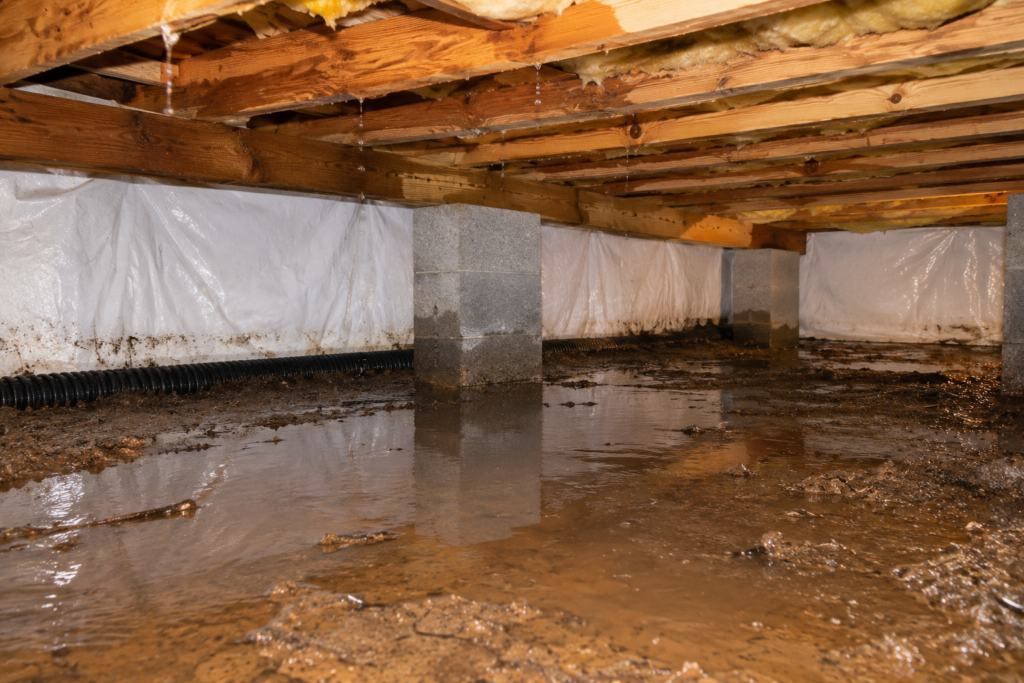
A crawl space should stay dry throughout the year. If you find water, damp soil, or high humidity under your home, it is a sign that something is wrong.
A wet crawl space is more than just an inconvenience. Too much moisture can lead to mold, wood rot, bad smells, damaged insulation, pests, and even foundation problems if left untreated.
The good news is that most crawl space moisture problems can be fixed once the cause is found.
Is It Normal for a Crawl Space to Be Wet?
No. A crawl space should not have standing water or constantly damp conditions. While it is normal for humidity to change with the seasons, water should never collect under your home. If your crawl space stays wet for days or weeks after it rains, it is important to find out why.Book A Free Inspection
Or
📞 Call Now for a Free Assessment
Common Reasons Why a Crawl Space Gets Wet
There are several reasons why moisture can enter a crawl space.Heavy Rain
One of the most common causes is heavy rainfall. When large amounts of rain fall around your home, water can soak into the ground and enter the crawl space if the drainage around your house is poor.Poor Drainage Around the Foundation
Your yard should slope away from your home so rainwater flows away from the foundation. If the ground slopes toward the house, water can collect around the foundation and eventually find its way into the crawl space. Improving the grading around your home can often help reduce moisture problems.Clogged Gutters and Downspouts
Gutters and downspouts move rainwater away from your home. If they become clogged with leaves or dirt, water may overflow and collect beside the foundation. This extra water can seep into the crawl space. Cleaning your gutters regularly is one of the easiest ways to help prevent water problems.Downspouts That End Too Close to the House
Even clean gutters can cause problems if the downspouts do not carry water far enough away. Downspouts should direct water several feet away from your home's foundation. Adding downspout extensions is often a simple and inexpensive solution.High Groundwater
Some homes are built in areas where the groundwater level is naturally high. During wet seasons, groundwater can rise and push moisture into the crawl space through the soil. In these situations, a drainage system or sump pump may be needed.Foundation Cracks
Small cracks in your foundation can allow water to enter the crawl space. Over time, these cracks may become larger as the soil around your home expands and contracts. Repairing foundation cracks helps keep water outside where it belongs.Plumbing Leaks
Not all crawl space moisture comes from outside. Leaking water pipes, drain pipes, or water heaters can slowly add moisture under your home. Even a small leak can create mold and water damage if it continues for a long time.Condensation
Sometimes the problem is not rainwater at all. Warm, humid air can enter the crawl space and form water droplets when it touches cooler surfaces such as pipes, ducts, or wooden beams. This is called condensation. A vapor barrier or dehumidifier can often help reduce this type of moisture.Missing or Damaged Vapor Barrier
Many crawl spaces have a plastic sheet called a vapor barrier that covers the soil. If it is missing, damaged, or installed incorrectly, moisture from the ground can rise into the crawl space. Replacing the vapor barrier can help keep the area much drier.Signs Your Crawl Space Has Too Much Moisture
Many homeowners never enter their crawl space, but moisture problems often show up elsewhere in the home. Common warning signs include:- Musty smells
- Mold or mildew
- Damp insulation
- Standing water
- Wet soil
- Rotting wood
- Sagging or uneven floors
- High humidity inside the home
- Increased pest activity
Can a Wet Crawl Space Damage My Home?
Yes. If moisture remains for a long time, it can cause serious damage. Problems may include:- Mold growth
- Wood rot
- Weak floor supports
- Damaged insulation
- Poor indoor air quality
- Higher heating and cooling costs
- Foundation damage over time
How Do Professionals Find the Problem?
A crawl space waterproofing specialist will inspect your crawl space to determine where the moisture is coming from. They may check:- The grading around your home
- Gutters and downspouts
- Foundation walls
- Plumbing
- Drainage systems
- Soil moisture
- Humidity levels
- Existing vapor barriers
How Can a Wet Crawl Space Be Fixed?
The right solution depends on the cause of the moisture. A waterproofing contractor may recommend:- Improving yard drainage
- Extending downspouts
- Repairing foundation cracks
- Installing a vapor barrier
- Crawl space encapsulation
- Installing a sump pump
- Adding a dehumidifier
- Repairing plumbing leaks
Final Thoughts
A wet crawl space is usually a sign that water or moisture is entering your home from somewhere. Whether the cause is poor drainage, heavy rain, plumbing leaks, or condensation, fixing the problem early can help prevent mold, wood rot, and expensive repairs. If your crawl space stays damp or has standing water, it is a good idea to have it inspected before the problem becomes worse.Continue Learning About Crawl Space Waterproofing
This article is part of our complete homeowner learning series on crawl space waterproofing. Next Step: Read The Complete Homeowner's Guide to Crawl Space Waterproofing to learn about crawl space waterproofing methods, encapsulation, mold prevention, waterproofing costs, DIY repairs, and how to choose the right solution to protect your home.Book A Free Inspection
Or