If your crawl space is damp, smells musty, or has mold, you may have heard about crawl space encapsulation. Many homeowners wonder what it is, why it is done, and whether it is worth the cost.
Crawl space encapsulation is one of the most effective ways to protect your home from moisture problems. It helps keep your crawl space dry, cleaner, and healthier throughout the year.
In this guide, we'll explain crawl space encapsulation in simple words so you can decide if it is the right solution for your home.
What Is Crawl Space Encapsulation?
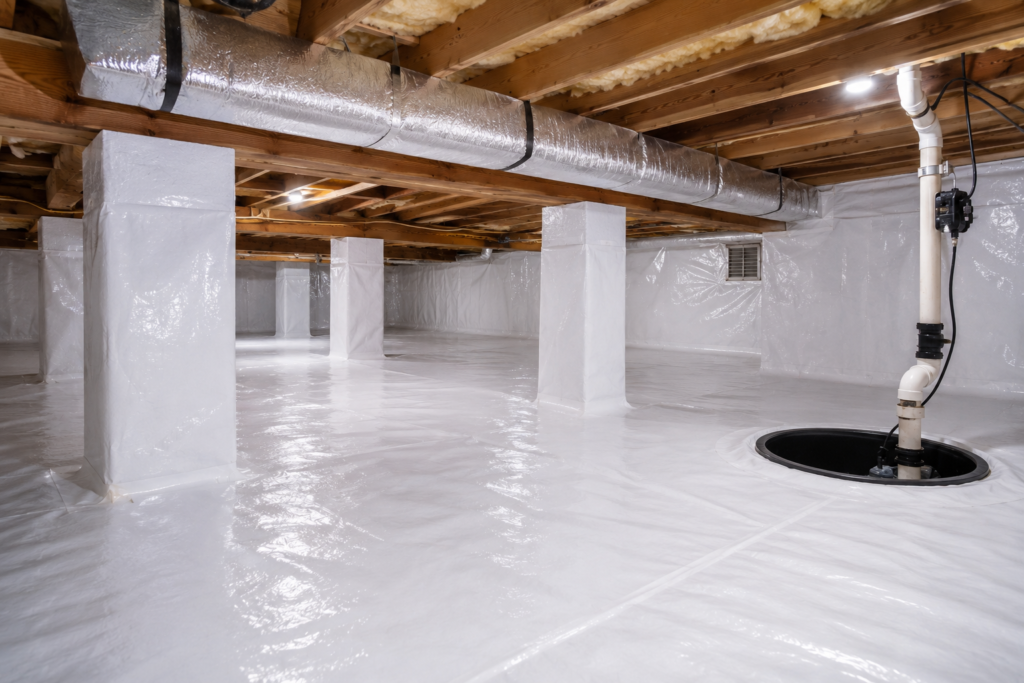
Crawl space encapsulation is the process of sealing your crawl space to keep moisture out. During encapsulation, a thick plastic material called a vapor barrier is installed over the ground and attached to the walls. This helps stop moisture from the soil from entering the crawl space. Many encapsulation systems also include other waterproofing features to help keep the area dry. The goal is to create a clean, dry space under your home.Why Is Crawl Space Encapsulation Important?
A damp crawl space can cause many problems over time. Too much moisture can lead to:- Mold growth
- Wood rot
- Musty smells
- Damaged insulation
- High indoor humidity
- Higher energy bills
- Pest problems
- Damage to floor supports
Book A Free Inspection
Or
📞 Call Now for a Free Assessment
What Happens During Crawl Space Encapsulation?
Every home is different, but most encapsulation projects include several steps.Step 1: Remove Water and Moisture
If there is standing water in the crawl space, it must be removed first. The contractor will also find and fix the source of the water before sealing the crawl space.Step 2: Clean the Crawl Space
Old insulation, debris, damaged materials, and any mold-damaged items may be removed. A clean crawl space helps the new waterproofing materials work better.Step 3: Repair Any Damage
If there are foundation cracks, plumbing leaks, or damaged wood, these problems are usually repaired before encapsulation begins. There is little benefit in sealing the crawl space if water can still enter.Step 4: Install a Vapor Barrier
A thick plastic vapor barrier is placed over the ground. The material is also attached to the crawl space walls and sealed around edges and support columns. This barrier helps stop moisture from rising out of the soil.Step 5: Seal Air Leaks
Many contractors seal small openings, vents, and gaps where outside air can enter. Reducing outside air helps control humidity inside the crawl space.Step 6: Install Other Waterproofing Equipment (If Needed)
Some homes need extra protection. Depending on the amount of moisture, the contractor may recommend:- A sump pump
- Interior drainage pipes
- A dehumidifier
- Better drainage around the home
What Is a Vapor Barrier?
A vapor barrier is a thick plastic sheet that covers the soil inside the crawl space. Its job is to stop moisture from moving out of the ground and into the air. The thicker the material, the more durable it usually is. The vapor barrier is one of the most important parts of an encapsulation system.Does Every Crawl Space Need Encapsulation?
No. Some crawl spaces only have small moisture problems that can be fixed by:- Cleaning gutters
- Extending downspouts
- Improving yard drainage
- Repairing a plumbing leak
What Are the Benefits of Crawl Space Encapsulation?
Encapsulation offers many advantages for homeowners. Some of the biggest benefits include:- Keeps the crawl space dry
- Helps prevent mold growth
- Protects wooden floor supports
- Reduces musty smells
- Improves indoor air quality
- Lowers humidity inside the home
- Helps insulation work better
- May lower heating and cooling costs
- Makes the crawl space cleaner
- Reduces the chance of pest problems
Can Encapsulation Stop Mold?
Encapsulation helps prevent new mold from growing because mold needs moisture to survive. However, if mold is already present, it should usually be removed before the crawl space is sealed. A waterproofing contractor can recommend the best approach.How Long Does Crawl Space Encapsulation Last?
A professionally installed encapsulation system can last for many years. The exact lifespan depends on:- The quality of the materials
- How well the system was installed
- Moisture levels around the home
- Regular maintenance
Can I Encapsulate My Crawl Space Myself?
Some homeowners try to install a vapor barrier on their own. While this may work for very small moisture problems, complete encapsulation is usually more difficult than it looks. Professional contractors know how to:- Seal the crawl space properly
- Repair water problems
- Install drainage systems
- Install sump pumps
- Control humidity
Is Crawl Space Encapsulation Worth It?
For many homeowners, yes. If your crawl space has ongoing moisture problems, encapsulation can help protect your home from future damage. It can reduce mold, improve air quality, protect your home's structure, and lower the risk of expensive repairs later. The value depends on the condition of your crawl space and the amount of moisture present.When Should You Consider Crawl Space Encapsulation?
You may want to consider encapsulation if you notice:- Standing water
- Damp soil
- Mold
- Musty smells
- High humidity
- Rotting wood
- Wet insulation
- Sagging floors
- Frequent moisture problems
Final Thoughts
Crawl space encapsulation is one of the best ways to protect your home from moisture problems. By sealing the crawl space and controlling humidity, it helps prevent mold, wood rot, bad odors, and water damage. Not every home needs encapsulation, but for crawl spaces with ongoing moisture issues, it can provide long-lasting protection and peace of mind.Continue Learning About Crawl Space Waterproofing
This article is part of our complete homeowner learning series on crawl space waterproofing. Next Step: Read The Complete Homeowner's Guide to Crawl Space Waterproofing to learn about crawl space waterproofing methods, common causes of moisture, signs of water problems, waterproofing costs, and how to choose the best solution to protect your home.Book A Free Inspection
Or